Comprehensive Guide to Business Waste Removal in Paddington

In the bustling commercial hub of Paddington, managing business waste efficiently is crucial for maintaining a clean, safe, and sustainable environment. Whether you run a small startup or a large corporate office, proper waste removal can significantly impact your operational efficiency, environmental footprint, and compliance with local regulations.
Business waste encompasses a wide range of materials, including office paper, electronic waste, food scraps, packaging materials, and hazardous substances. Handling these waste streams responsibly not only ensures a healthier workplace but also contributes to broader environmental conservation efforts.
Understanding the various aspects of business waste removal in Paddington is essential for any enterprise aiming to optimize its waste management practices. This guide delves into the best practices, regulatory requirements, and available services to help businesses navigate the complexities of waste removal effectively.
Why Effective Business Waste Removal Matters
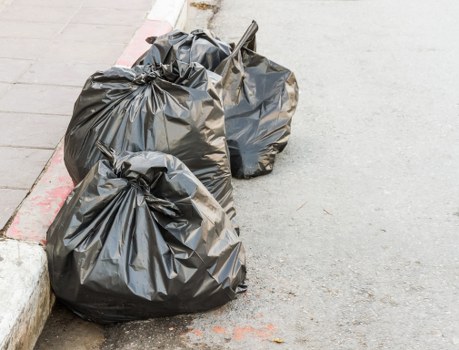
Effective waste removal is more than just a regulatory requirement; it's a critical component of a business's operational strategy. Proper waste management can lead to:
- Enhanced Workplace Safety: Reducing clutter and disposing of hazardous materials appropriately minimizes the risk of accidents and injuries.
- Environmental Sustainability: Responsible waste management practices help reduce the environmental impact, contributing to sustainability goals.
- Cost Savings: Efficient waste removal can lower disposal costs and even generate revenue through recycling and resale of certain materials.
- Regulatory Compliance: Adhering to local waste disposal laws prevents legal issues and potential fines.
- Improved Company Image: Demonstrating commitment to environmental responsibility can enhance your brand's reputation among customers and partners.
Types of Business Waste
General Waste
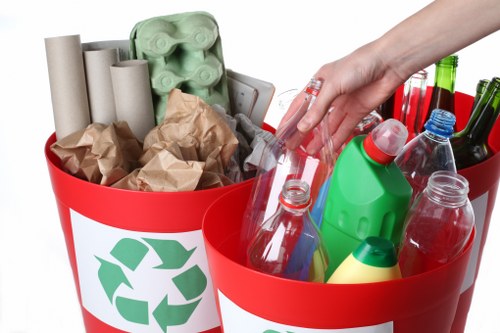
General waste includes everyday items that are discarded during regular business operations. This can range from office paper, cardboard boxes, and packaging materials to non-recyclable office supplies. Proper segregation and disposal of these materials are essential to minimize landfill contributions.
Recyclable Waste
Recyclable waste comprises materials that can be reprocessed and used again. Common recyclable items in businesses include paper, plastics, metals, and glass. Implementing a robust recycling program can significantly reduce a company's environmental footprint.
Hazardous Waste
Hazardous waste is any waste that poses a threat to human health or the environment. This category includes chemicals, batteries, electronic waste, and certain types of office equipment. Specialized handling and disposal procedures are required to manage hazardous waste safely and compliantly.
Electronic Waste (E-Waste)
E-waste refers to discarded electronic devices such as computers, printers, and smartphones. Given the valuable materials and potential environmental hazards, e-waste must be disposed of through certified recycling programs.
Regulatory Requirements in Paddington
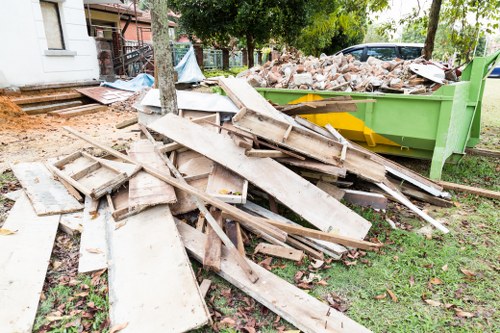
Paddinton businesses must adhere to local, state, and federal regulations regarding waste disposal. Understanding and complying with these laws is crucial to avoid penalties and ensure responsible waste management.
Local Council Regulations
The local council in Paddington provides guidelines and requirements for waste disposal. This includes restrictions on certain types of waste, guidelines for recycling, and schedules for waste collection services. Staying informed about these regulations helps businesses remain compliant and avoid fines.
Environmental Protection Laws
Federal and state environmental protection laws govern the handling, transportation, and disposal of various waste types. These laws aim to minimize environmental impact and promote sustainable practices. Businesses must ensure that their waste removal processes align with these legal standards.
Occupational Health and Safety
The Occupational Health and Safety Administration (OSHA) sets standards for waste management in workplaces to protect employees from potential hazards. Proper training and the use of appropriate protective equipment are necessary to comply with these safety standards.
Choosing the Right Waste Removal Service
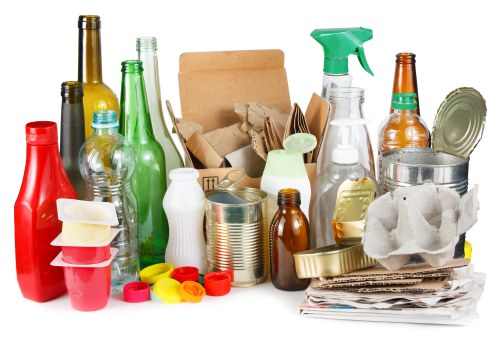
Selecting a reliable waste removal service is pivotal for effective business waste management. Here are key factors to consider when choosing a service provider in Paddington:
- Reputation and Reliability: Research the company's track record, customer reviews, and industry reputation to ensure they are trustworthy and dependable.
- Range of Services: Ensure the provider offers comprehensive waste removal services tailored to your business's specific needs, including recycling, hazardous waste disposal, and regular pickups.
- Compliance Assurance: The service should adhere to all relevant regulations and provide necessary certifications and documentation.
- Environmental Commitment: Choose a provider that prioritizes sustainability through effective recycling programs and eco-friendly disposal methods.
- Cost-Effectiveness: Compare pricing structures to find a service that offers quality without breaking the bank.
Implementing an Effective Waste Management Plan
An effective waste management plan involves strategic planning and execution to ensure all waste streams are handled appropriately. Here are steps to create a robust plan:
Waste Audit
Conduct a waste audit to identify the types and quantities of waste your business generates. This helps in understanding waste patterns and identifying areas for improvement.
Segregation and Recycling
Implement waste segregation practices to separate recyclable materials from general and hazardous waste. Providing clearly labeled bins and training employees on proper sorting can enhance recycling efforts.
Regular Collection and Disposal
Establish a regular schedule for waste collection and disposal to maintain a clean and organized workspace. Coordinate with your waste removal service to ensure timely pickups.
Employee Training
Educate employees about the importance of waste management and their roles in the process. Regular training sessions can promote compliance and encourage responsible waste handling practices.
Monitoring and Evaluation
Regularly monitor waste management activities and assess their effectiveness. Use metrics and feedback to continuously improve your waste management plan.
Benefits of Professional Waste Removal Services
Engaging professional waste removal services offers numerous advantages for businesses in Paddington:
- Efficiency: Professionals handle waste removal swiftly and efficiently, minimizing disruptions to your operations.
- Expertise: Experienced service providers understand the complexities of waste management and can offer valuable insights and solutions.
- Compliance: Professional services ensure that all waste is disposed of in accordance with relevant regulations, reducing the risk of legal issues.
- Sustainability: Many waste removal companies prioritize recycling and sustainable practices, helping your business achieve its environmental goals.
- Cost Savings: Outsourcing waste removal can be more cost-effective than managing it in-house, especially when considering labor, equipment, and disposal fees.
Customized Solutions
Professional services often offer tailored waste management solutions to meet the unique needs of your business, ensuring optimal efficiency and effectiveness.
Innovative Waste Management Technologies
The waste management industry is evolving with new technologies that enhance efficiency and sustainability. Businesses in Paddington can leverage these innovations to improve their waste removal processes:
Automated Waste Sorting
Automated sorting systems use advanced technology to separate different types of waste accurately, increasing recycling rates and reducing manual labor.
Smart Waste Bins
Smart bins equipped with sensors monitor fill levels and optimize waste collection schedules, ensuring timely pickups and preventing overflow.
Data Analytics
Data analytics tools help businesses track waste generation patterns, identify inefficiencies, and make informed decisions to enhance waste management strategies.
Eco-Friendly Disposal Methods
Innovative disposal methods, such as waste-to-energy technologies, convert waste into usable energy, reducing landfill reliance and promoting sustainability.
Cost-Effective Waste Removal Strategies
Implementing cost-effective strategies can help businesses manage waste without straining their budgets. Here are some approaches to consider:
Reduce, Reuse, Recycle
Adopting the three Rs—reduce, reuse, recycle—can significantly cut waste generation and disposal costs. Focus on minimizing waste production, reusing materials whenever possible, and optimizing recycling efforts.
Bulk Waste Collection
Scheduling bulk waste collections can reduce the frequency of pickups, leading to lower transportation and disposal costs.
Employee Engagement
Encouraging employees to participate in waste reduction initiatives can lead to collective cost savings and foster a culture of sustainability.
Vendor Partnerships
Partnering with waste removal vendors that offer competitive rates and flexible service options can help manage costs effectively.
Case Studies: Successful Waste Removal in Paddington
Examining successful waste removal implementations can provide valuable insights and inspiration for your own waste management practices.
Tech Startup Streamlines E-Waste Disposal
A tech startup in Paddington partnered with a certified e-waste recycling company to manage their electronic waste. By implementing a structured e-waste disposal plan, they not only complied with regulations but also contributed to environmental sustainability by ensuring their electronics were recycled responsibly.
Corporate Office Reduces General Waste
A large corporate office adopted comprehensive recycling programs and waste segregation practices. This initiative led to a 40% reduction in general waste sent to landfills and lowered their overall waste management costs.
Restaurant Implements Food Waste Solutions
A Paddington-based restaurant started composting its food waste and partnering with local farms for organic waste utilization. This not only minimized their waste disposal costs but also supported local agriculture.
Environmental Impact of Business Waste Removal
Effective business waste removal has a profound impact on the environment. Properly managed waste reduces pollution, conserves natural resources, and supports sustainable development.
Pollution Reduction
Proper disposal of waste minimizes the release of harmful pollutants into the air, water, and soil, protecting ecosystems and public health.
Resource Conservation
Recycling and reusing materials conserve natural resources by decreasing the demand for raw materials, thereby reducing the environmental strain of resource extraction.
Climate Change Mitigation
Efficient waste management practices, such as reducing landfill use and promoting recycling, lower greenhouse gas emissions, contributing to climate change mitigation efforts.
Future Trends in Waste Removal
The future of business waste removal is poised to embrace advancements that promote efficiency, sustainability, and innovation.
Circular Economy
The shift towards a circular economy emphasizes the reuse and recycling of materials, creating a closed-loop system that minimizes waste and maximizes resource efficiency.
Advanced Recycling Technologies
Emerging recycling technologies aim to process a broader range of materials more efficiently, increasing recycling rates and reducing the need for landfill disposal.
Zero Waste Initiatives
Zero waste initiatives focus on eliminating waste entirely through comprehensive strategies that prioritize waste prevention, reuse, and recycling.
Integration of AI and IoT
The integration of artificial intelligence (AI) and the Internet of Things (IoT) in waste management can optimize collection routes, predict waste generation patterns, and enhance overall system efficiency.
How to Get Started with Business Waste Removal in Paddington
Embarking on effective business waste removal involves several key steps to ensure comprehensive and compliant waste management.
Assess Your Waste Streams
Begin by evaluating the types and quantities of waste your business generates. This assessment will help identify the specific waste management needs and opportunities for improvement.
Select a Reputable Waste Removal Service
Choose a waste removal provider in Paddington that offers the services you require and has a proven track record of reliability and compliance.
Develop a Waste Management Policy
Create a clear waste management policy outlining your strategies for waste reduction, segregation, recycling, and disposal. Communicate this policy to all employees to ensure consistent implementation.
Implement Training Programs
Provide training to employees on proper waste handling, segregation, and recycling practices. Regular training ensures that everyone understands their role in maintaining effective waste management.
Monitor and Review
Continuously monitor your waste management practices and review their effectiveness. Use feedback and data analytics to make informed adjustments and improvements as needed.
Conclusion
Business waste removal in Paddington is a critical aspect of responsible and sustainable business operations. By understanding the types of waste, adhering to regulatory requirements, and partnering with reliable waste removal services, businesses can effectively manage their waste, reduce costs, and contribute positively to the environment.
Implementing a comprehensive waste management plan not only ensures compliance but also enhances operational efficiency and fosters a culture of sustainability within the organization. As the waste management landscape continues to evolve, staying informed about the latest trends and technologies will enable businesses to adapt and thrive in their waste removal endeavors.
Contact us today to learn more about how our tailored waste removal services in Paddington can help your business achieve its waste management goals efficiently and sustainably.